Send gift pictures of Vintage mainframes and Supercomputers to friends, family, and co-workers.
Scegli il tuo regalo:

IBM 305 RAMAC
Vintage Mainframes And Supercomputers
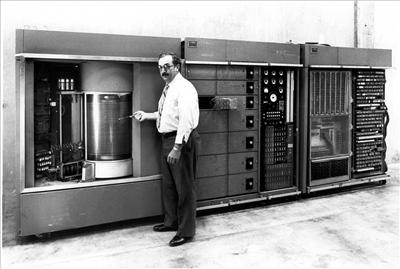
IBM 305 RAMAC or Random Access Method of Accounting and Control. First computer to use a Hard Drive as a storage device. Announced September 13, 1956
UNIVAC 1
Vintage Mainframes And Supercomputers
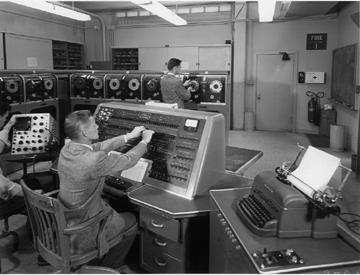
The UNIVAC 1 or UNIVersal Automated Computer was the first computer ever produced in the United States. Announced 1951
IBM 704
Vintage Mainframes And Supercomputers
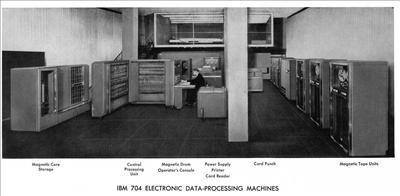
The IBM 704, last IBM computer to use vacuum tubes, immediate predecessor to the 7030. With the help of programmer Alex Burnstein one of the first computers to ever play chess (not very well of course). Announced 1954.
IBM 7030
Vintage Mainframes And Supercomputers
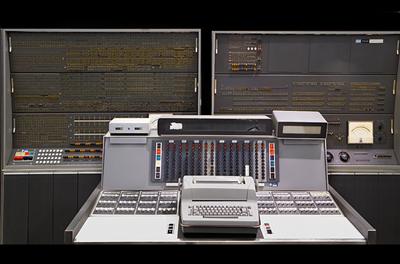
First IBM computer to use Transistors and Diodes to increase performance. Did not meet up to contract and IBM CEO at the time decided to refund all money of original contracts (rarely done today). Known as stretch project from date of release in 1961 to 1964 when it was outperformed by the CDC 6600.
CDC 6600
Vintage Mainframes And Supercomputers
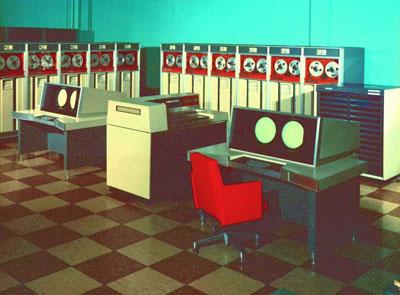
Generally regarded as the first successful supercomputer outperforming it's fastest opponent (The IBM 7030). Released in 1964.
UNIVAC II
Vintage Mainframes And Supercomputers
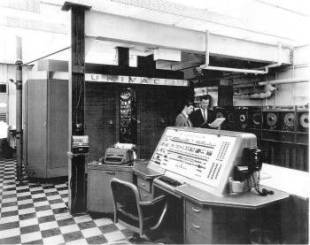
the UNIVAC II or UNIVersal Automatic Computer II was the direct sucessor to the Original UNIVAC. Released 1958.
DEC VAX-11
Vintage Mainframes And Supercomputers
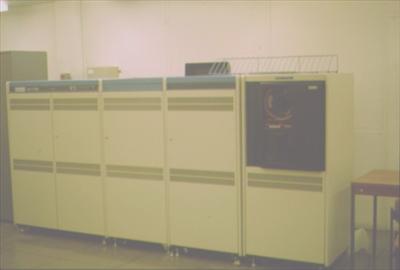
The DEC VAX or Virtual Address eXtension was one of the more common computers to be sold. Released 1977
DEC PDP-1
Vintage Mainframes And Supercomputers
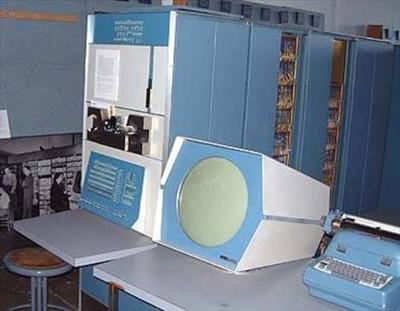
The PDP or Programmable Data Processor-1 was the first in a series of 11 computers. At the time there were a variety of manufacturers of computers and DEC thought that it would help to market this computer as a data processor. The strategy worked and many companies purchased this computer. released 1960
IBM 7090
Vintage Mainframes And Supercomputers
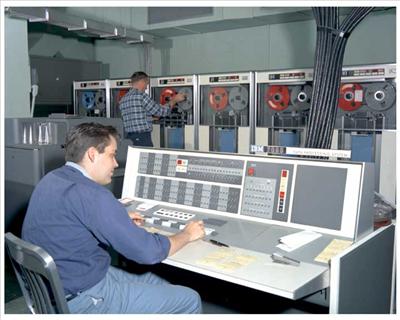
The second generation IBM transistorized computer. Took technology from the ongoing STRETCH project. Helped project Mercury at NASA. released in 1959.
IBM 1401
Vintage Mainframes And Supercomputers
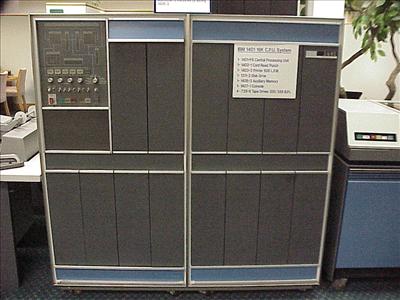
The first fully transistorized computer, one of the greatest computers of all time. Released in 1959. Beginning of the digital revolution.
IBM 650
Vintage Mainframes And Supercomputers
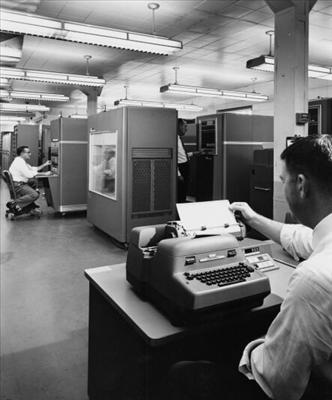
The first truly mass produced computer.