You Can Gift Nice Place Of The World To Your Friends.
Scegli il tuo regalo:

Victoria Memorial,india
Beauty Of World
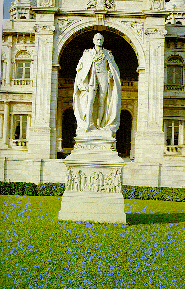
The Victoria Memorial, with its formal gardens and water courses was conceived by Lord Curzon to commemorate the British Empire at its peak.The Memorial consists of numerous hybrid features: it has Italian-style statues over its entrances, Mughal domes in its corners and tall elegant open colonnades along its sides. The building was designed by Sir William Emerson and its construction was completed in 1921. The main attraction at the memorial is the huge sombre statue of the Queen, which is fla
Ethipothala Falls, Andra Pradesh
Beauty Of World
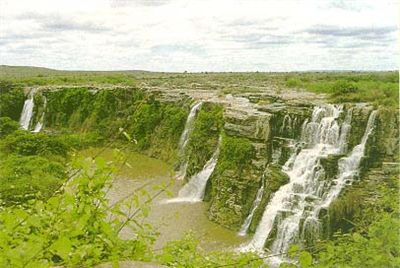
Ethipothala Falls, Andra Pradesh 11 kms downstream, from the Nagarjuna Sagar Dam are the Ethipothala waterfalls, in a beautiful valley. The Chandravanka stream here cascades into a breathtaking lagoon and flows on through the lush valley.
Caves at Ellora,india
Beauty Of World
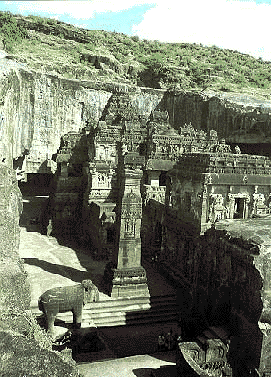
The caves of Ellora constitute one of the most beautiful expressions of the art of the Indian Middle Ages, and are designated as a UNESCO World Heritage Site. Situated outside the city of Aurangabad, 400km northeast from Bombay, it was created between AD 350 and 1000 by Buddhists, Hindus and Jains who laboured to sculpt temples from the living rock. These breathtaking caves are remarkable for their sculptures and architecture
The Charminar,india
Beauty Of World
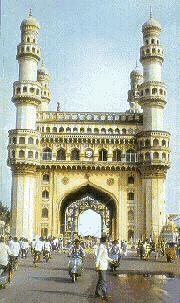
The Charminar in Hyderabad, is a massive arch built by Mohammed Quli Qutab Shah, in 1591 to commemorate the end of the plague in the city. The symbol of the city, the Charminar, is an impressive square monument with four minarets. The arch is illuminated daily in the evening, an unforgettable sight indeed. The city of Hyderabad, with its delightful blend of the ancient and the modern, presents to the onlooker an interesting skyline with modern buildings standing shoulder to shoulder with fascin
Buland Darwaza,india
Beauty Of World
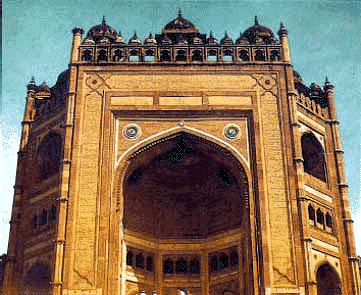
Buland Darwaza or the gate of Magnificence, was built in 1601 A.D. by Akbar to commemorate his conquest of Gujarat. Its gateway is approached by 42 steps. The Buland Darwaza is 40 metres high and 35 metres wide. It is the greatest gateway in the world. The gateway is of red sandstone decorated by carving and inlaying of white marble. On the central face of the Buland Darwaza there is an inscription in beautiful lettering. The inscription is not only famous for its calligraphy, but also throws
Agra Fort,india
Beauty Of World
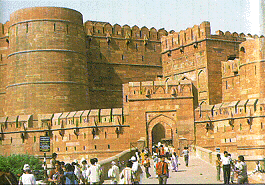
Agra Fort The high red sandstone ramparts of this great monument stretch for almost 2.5 kilometres, dominating a bend in the river Yamuna, northwest of the Taj Mahal. The foundation of this majestic citadel was laid by the Emperor Akbarand it developed as a stronghold of the Mughal Empire under successive generations. The curved bastions of the huge walls are interrupted by impressive gates of which only the Amar Singh gate is now open to the public. The original and grandest entrance was
The Great Barrier Reef, Australia
Beauty Of World
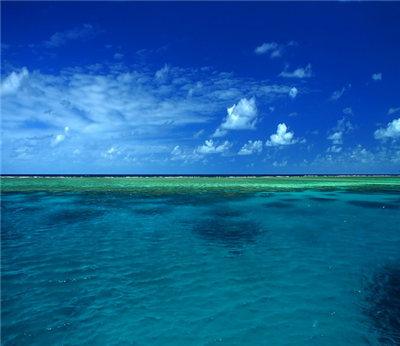
One of the natural wonders of the world, the Great Barrier Reef off the east coast of Australia is the world’s largest coral reef. It has the distinction of being placed in the World Heritage as well as the National Heritage lists.
The Iguazu Waterfalls, Argentina-Brazil Border
Beauty Of World
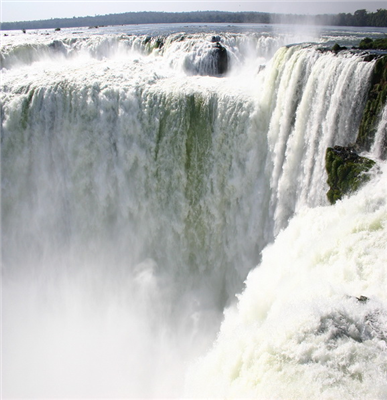
Heralded as the most beautiful waterfalls in the world, the Iguazu Waterfalls are a true wonder of nature. They are located at the border of Argentina, Brazil, and Paraguay. While the Argentinean side allows visitors to walk right around the water or explore the National Park, the Brazilian side is known for its panoramic views and splendor.
Great Wall of China, China
Beauty Of World
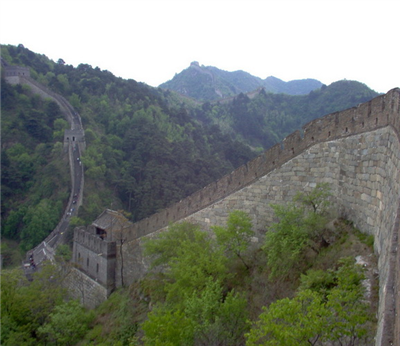
One of the seven wonders of the world, the Great Wall of China is a man-made structure that was constructed over two thousand years ago and took about 100 years to complete. The vastness of this project brings to light the immense capabilities of man.
Petra, Jordan
Beauty Of World
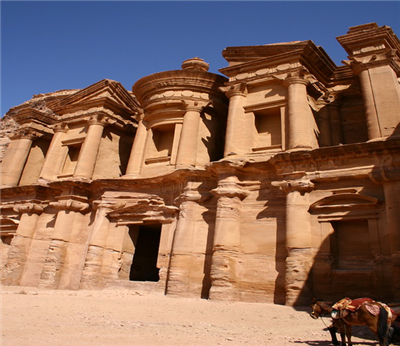
Described by the UNESCO as “one of the most precious cultural properties of man’s cultural heritage”, Petra is an archeological site on the slope of Mount Hor. It is one of the new wonders of the world and is famous for its rock-cut architecture.
The Pyramids, Egypt
Beauty Of World
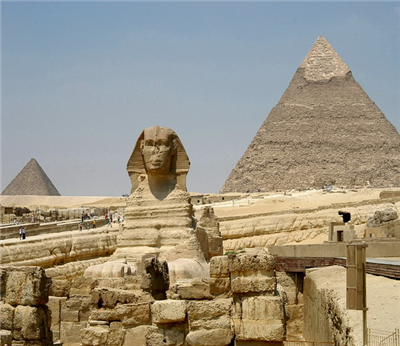
It is generally believed that the Egyptians began constructing them after 2700 B.C. and that they were built as tombs for the pharaohs. The most well-known (and the largest) pyramids of Egypt are the Pyramids at Giza which are said to be the largest ever built. It’s said that the Great Pyramid at Giza took 23 years to complete, using a work force of around 30,000 people. About 118 pyramids have been identified, and they are popular and intriguing to tourists and home researchers alike.
Machu Picchu, Peru
Beauty Of World
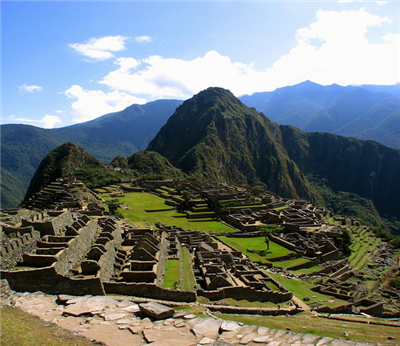
Machu Picchu in Peru, which means ‘Old Peak,” is one of the most enigmatic ancient sites in the world. According to legend, Machu Picchu was long ago considered to be a sacred place. The credit for the creation of the extraordinary city goes to the Inca people who have erected many stone structures and turned the place into a work of art.
Canadian Rockies, Canada
Beauty Of World
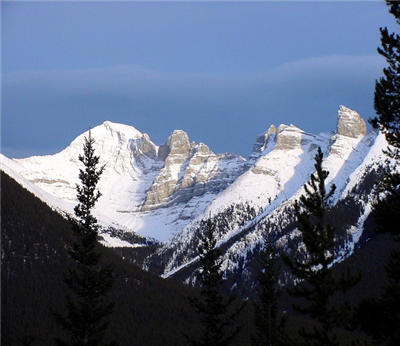
The majestic Canadian Rockies are the Canadian segment of the North American Rocky Mountains. They are a visitor’s wonderland and the playground for western Canada. They are older than the American Rockies and are formed from over thrusting
Taj Mahal, India
Beauty Of World
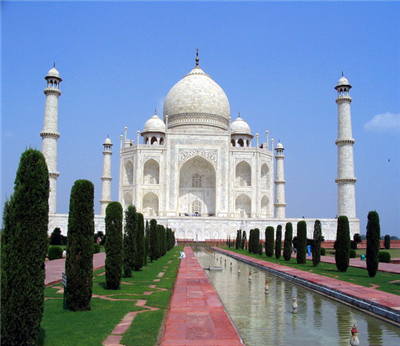
The Taj Mahal in India is one of the wonders of the world and is one of the most beautiful mausoleums constructed by the Mughal emperor, Shah Jahan, in memory of his favorite queen, Mumtaz Mahal. Located in Agra, white marble was used in the construction of this symbol of love, and the Taj Mahal is considered to be the pinnacle of Mughal architecture.
Cape Town, South Africa
Beauty Of World
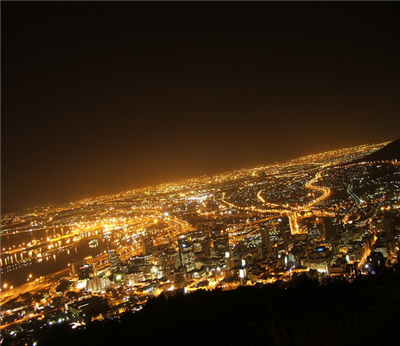
Aptly called “Heaven on earth,” this beautiful town at the tip of the African continent, with small roads surrounded by huge mountains, makes a person feel small; showing how marvelous and dominating nature can actually be.
The Grand Canyon, United States
Beauty Of World
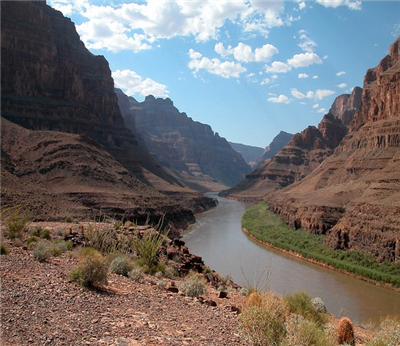
Native Americans built settlements in the caves within the canyon before the emigration of Europeans. It was also considered to be a site of pilgrimage by the Pueblo people. The first recorded visit to the Grand Canyon by the Europeans was in 1869. Although it is not the deepest canyon in the world, it is known for its extremely large size and beautifully intricate landscape. The Grand Canyon National Park is said to be one of the first national parks in the United States and it attracts more th
Lake Saiful Muluk – Pakistan
Beauty Of World
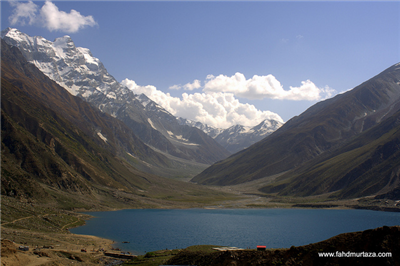
Lake Saiful Muluk is a lake located at the northern end of the Kaghan Valley near Naran. A fairy tale called Saiful Muluk, written by the famous sufi poet Mian Muhammad Bakhsh, is associated with the lake. It is the story of prince of Persia who fell in love with a fairy princess at the lake. The impact of the lake beauty is of such extent that people believe that fairies come down to lake in full moon.
Skardu Valley – Pakistan
Beauty Of World
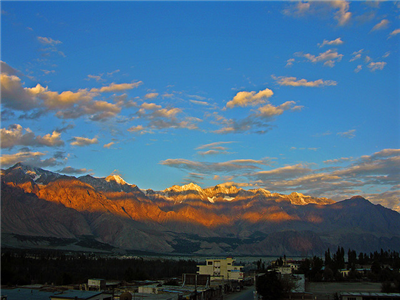
Skardu Valley is part of the Baltistan. Baltistan is spread over an area of 26,000 square kilometres – just right below the jagged and glaciated ramparts of the Karakoram. Once part of Laddakh, it was known as Tibet-i-Khurd – Little Tibet. Archaeological exploration has proven that it was encompassed by the Silk Trade Route.
Red Fort,india
Beauty Of World
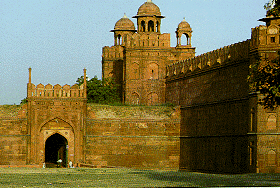
The largest of Old Delhi's monuments is Lal Quila or Red Fort. The Lal Quila rises above a wide dry moat in the northeast corner of the original city of Shahjahanabad. Mughal Emperor Shahjahan started construction of the massive fort in 1638 and work was completed in 1648.The Fort houses the Diwan-i-Am or the Hall of Public Audiences where the Emperor would sit and hear complaints of the common folks. His alcove in the wall was marble-paneled and was set with precious stones. The Diwan-i-Khas i
Deserts of Rajasthan
Beauty Of World
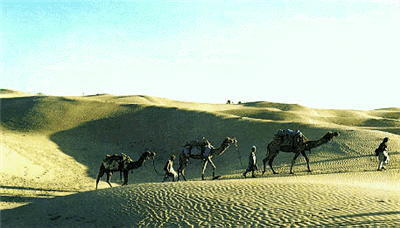
Some areas of Rajasthan, like the Dhar, are deep deserts.
Qutab Minar,india
Beauty Of World
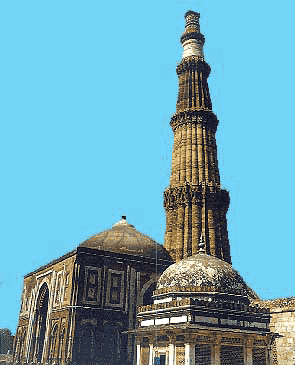
The emblem of Delhi, the 72.55 meter high Qutab Minar was erected in the 13th century by Qutab-Ud-Din Aibak. The monument tapers from a 15-meter diameter base to just 2� metres at the top. Beautiful calligraphy adorns the adjacent edifices. The tower has five distinct stories, each marked by a projecting balcony. The first three stories are made of red sandstone, the fourth and fifth of marble and sandstone.
Mysore Palace,india
Beauty Of World
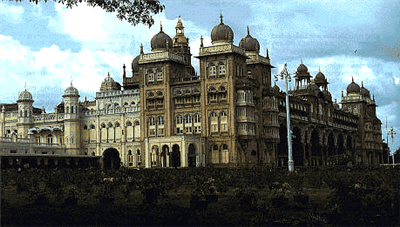
Mysore Palace The beautiful profile of this walled Indo-Saracenic palace, the seat of the Maharajas of Mysore, graces the city's skyline. It was built in 1907 at a cost of Rs 4.2 million. The palace is spectacularly illuminated on Sunday nights, and during the festive season of Dussehra
Jantar Mantar,india
Beauty Of World
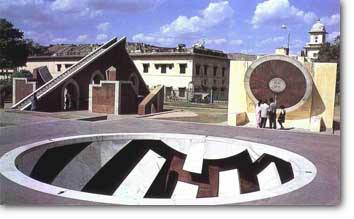
An astronomical observatory designed by the astronomer - King Sawai Jai Singh II of Jaipur, in 1724. It was believed to have been built with masonry instruments for observing the movements of the stars and the planets.
Hawa Mahal,india
Beauty Of World
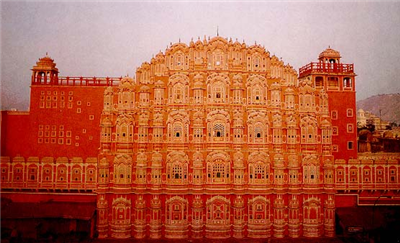
Built in 1799, the Hawa Mahal, or Palace of the Winds, is one of the major landmarks of Jaipur. This five storey building, which looks out over the main street of the old city, is a stunning example of Rajput artistry, with its pink semi octagonal and delicately honeycombed sandstone windows. It was originally built to enable ladies of the royal household, to watch the everyday life and processions of the city. The palace was built by Maharaja Sawai Pratap Singh, and is part of the City Palace
Gateway of India
Beauty Of World
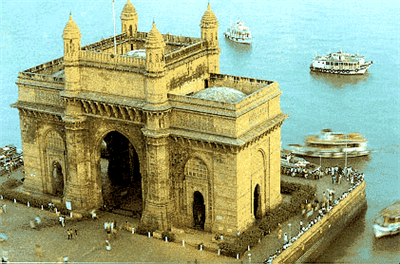
In the days when most visitors came to India by ship and when Bombay was India's principal port, this was indeed the 'gateway' to India. Today it's merely Bombay's principal landmark. The gateway was conceived following the visit of King George V in 1911 and officially opened in 1924.