Give your mice in Mousehunt a new home
Scegli il tuo regalo:

Grey Mouse
Mouse Habitat

Slightly feistier than their white cousins, the grey mouse is also a very common mouse. They pose very little challenge, and thus garner little reward. Great for the starting mouse hunter.
White Mouse
Mouse Habitat
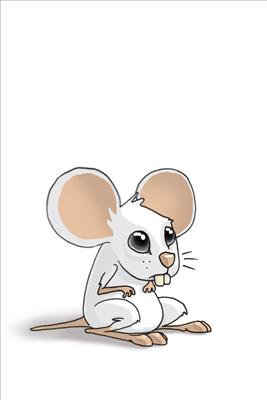
The white mouse is probably the most common mouse in these parts. They pose very little challenge and thus garner little reward. Great for the starting mouse hunter.
Bionic Mouse
Mouse Habitat

The result of a bio-mechanical experiment gone horribly wrong, this mouse has both great speed and strength, making it a challenge to catch.
Tiny Mouse
Mouse Habitat
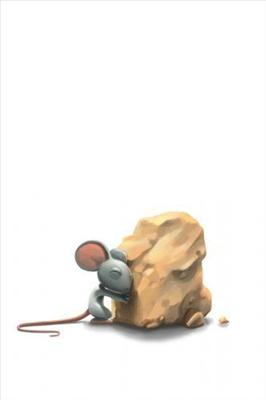
Tiny Mice have two major advantages over larger mice. First of all, a morsel of cheese can feed a Tiny Mouse for more than two weeks, unlike larger mice who gobble the cheese up as soon as they get it. Secondly, when they attack a trap, the weapon often misses them entirely, leaving them free to pursue the cheese. Stubbornness is the only reason Tiny Mice get caught at all. Once they win a piece of cheese, they won’t let it go, even if it’s five times their weight.
Brown Mouse
Mouse Habitat

Brown mice are the most challenging common mice, but are still suitable for a starting mouse hunter.
Mole Mouse
Mouse Habitat
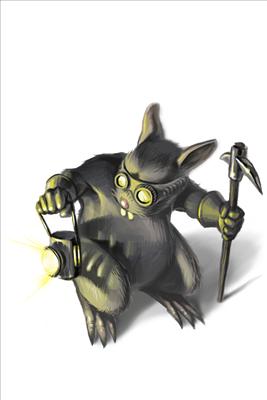
These partially blind little fellows find their way through the earth by feeling around, making them more susceptible to getting caught. The Digby development in the Burroughs aided their efforts to push past the Mountain into the Gnawnia region. Due to the dirt in their nostrils, they have a harder time sniffing out cheese.
Field Mouse
Mouse Habitat
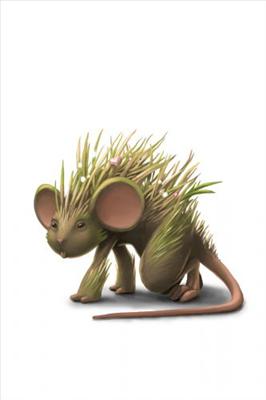
After finding a tuft of grass in a private location, usually by a nice view, visitors to Gnawnia and the Meadow often decide to spread out blankets and have a picnic. Unfortunately, when they try to sit down, they realize that their feast is being carried off by a multitude of mice who have posed as grass to lure them in. Because of these recent scams, the King has advised the public to be extra wary of scenic vistas, charming fruit groves, and any and all topiary.
Cowardly Mouse
Mouse Habitat

Traumatized by its terrible experience with a Swiss Army Trap (in a nightmare it had once), the Cowardly mouse sees constant menace in its idyllic surroundings. To this neurotic little rodent, every blade of grass represents a potentially fatal paper cut, and every rose a debilitating eye injury caused by getting too close for a sniff, followed by a bird landing on the bush at the the wrong moment, which causes the thorns to. . . well, you get the picture.
Steel Mouse
Mouse Habitat

As the name suggests, the skin of this mouse is strong as steel. Less common than simple colored mice, the steel mouse is significantly harder to catch.
Gold Mouse
Mouse Habitat

Significantly more rare than many other mice, this solid gold mouse is not much stronger than common mice and fetches a handsome reward.
Granite Mouse
Mouse Habitat
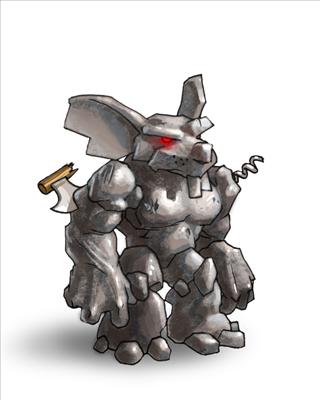
Made from solid granite, the gaze of this mouse is said to strike fear into even the most cunning of mouse hunters.
Diamond Mouse
Mouse Habitat
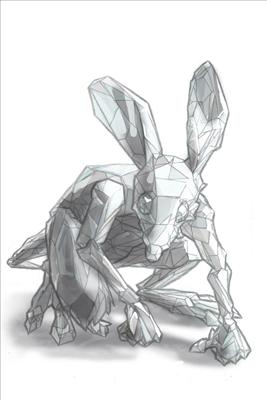
Similar in rarity and strength to the gold mouse, the diamond mouse offers a high points reward to the hunter who can catch it.
Dwarf Mouse
Mouse Habitat

Often found living in remote areas, the dwarf mouse moves quickly, making it more difficult to catch than the basic colored mouse.